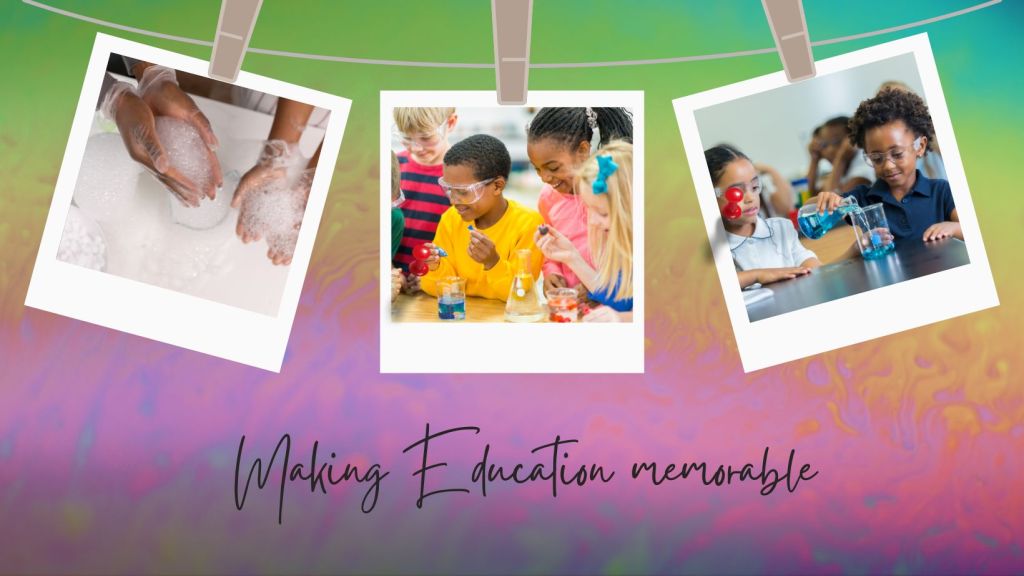
Coming to the schools next!
Bubble Science Shows & STEM Program Ideas for Elementary Schools in Jacksonville, FL
If you’re planning a STEM night, science fair, or special assembly for your elementary school in Jacksonville, FL, bubbles might not be the first thing you think of—but they should be.
Hello, I am Miss BubbleFaye, and I run Bubbleplay, a giant bubble and bubble science show based here in Jacksonville. I help schools turn ordinary events into unforgettable, hands-on STEM experiences using something kids already love: bubbles. 🫧
In this guide, I’ll walk you through:
- What a Bubble Science Show looks like
- STEM concepts bubbles can teach
- Program ideas for STEM nights, assemblies, and camps
- How to decide if a bubble program is a good fit for your school
What Is a Bubble Science Show?
A Bubble Science Show is a live, interactive program that combines:
- Giant bubble demonstrations
- Simple, visual science explanations
- Hands-on participation for students
Instead of a traditional lecture, students watch bubbles stretch, float, pop, and even fill with fog while we talk about:
- Surface tension
- Light and color (rainbows!)
- Shapes and geometry
- States of matter
It’s loud, silly, and full of “whoa!” moments—but underneath the fun, kids are absorbing real science concepts they can connect back to the classroom.
STEM Concepts Bubbles Can Teach
Here are just a few ways bubbles support STEM learning:
1. Surface Tension & Chemistry
Why do bubbles form spheres?
Why do they pop?
What happens when we change the bubble solution?
We can explore:
- How soap changes the surface tension of water
- Why bubbles stretch into thin films
- How different tools (wands, strings, nets) change the bubbles we create
2. Light, Color & Rainbows
Bubbles are perfect for talking about light and color:
- Why do we see rainbows on the bubble’s surface?
- How does light reflect and refract in the bubble film?
- What happens when bubbles catch the sunlight?
This ties beautifully into lessons about the visible spectrum and reflection/refraction.
3. Shapes & Geometry
Bubbles love spheres—but they can also help us explore:
- Why bubbles join together in certain patterns
- How shapes change when bubbles connect
- How 3D shapes (like cubes or pyramids) can create surprising bubble forms
This connects to geometry standards in a way that’s visual and memorable.
4. States of Matter (with Fog-Filled Bubbles)
Using fog-filled bubbles, we can talk about:
- Gas inside a liquid film
- What happens when the bubble pops
- How temperature and air movement affect bubbles
It’s a fun, safe way to make states of matter feel magical.
Program Ideas for Schools & STEM Nights
Here are some ways schools in Jacksonville and North Florida can use bubble science programs.
1. Bubble Science Assembly (K–5)
Best for: Whole-school events, reward days, or science celebrations
Format:
- 30–45 minute live show
- Visual demonstrations with giant bubbles
- Student volunteers (always a highlight!)
- Simple explanations tailored to grade level
What students experience:
- Giant bubble walls and tunnels
- Fog-filled bubbles that float and crawl
- Bubbles that bounce, stretch, and connect
This works well in a cafeteria, gym, or multi-purpose room and can be repeated for different grade bands (K–2, 3–5).
2. STEM Night Bubble Science Station
Best for: Family STEM nights, science fairs, open houses
Instead of (or in addition to) a stage show, you can have a Bubble Science Station where students rotate through and experiment.
Station ideas:
- Bubble Shapes Station: Try different wands and tools to see how shape affects the bubble.
- Super-Size Bubble Station: Make giant bubbles and talk about surface area.
- Color & Light Station: Observe rainbow colors on bubbles and discuss light.
This format encourages family participation, with parents and kids learning together.
3. Classroom Bubble Workshops
Best for: Smaller groups, enrichment days, or after-school programs
In a workshop format, we can:
- Visit individual classrooms or small groups
- Do a short demo
- Let students create their own bubbles with guided activities
Example structure:
- 10–15 minutes of live demo
- 20–30 minutes of hands-on bubble exploration
- Wrap-up discussion connecting what they saw to science vocabulary
Workshops are great when you want more direct interaction and time for questions.
4. Camp & After-School Bubble Science Sessions
Best for: Summer camps, after-school clubs, and holiday programs
Bubble science works beautifully for:
- Summer camps (a special event day)
- STEM clubs (a themed session)
- Holiday camps (indoor or outdoor, weather permitting)
We can adapt the program to:
- Focus more on experiments and tinkering
- Include simple bubble solution recipes or DIY wands
- Tie into a weekly theme (water, air, light, etc.)
Is a Bubble Science Program Right for Your School?
Bubble science shows are a great fit if you’re looking for:
- A high-engagement program that holds attention for K–5
- A visual, memorable way to reinforce science concepts
- An experience that works for mixed ages and abilities
- Something that feels like a treat but still supports learning
They’re especially popular for:
- STEM nights
- Science fairs
- End-of-year celebrations
- Reward days and PBIS events
- Camp and after-school enrichment
Bubble Science Shows with Bubbleplay (Jacksonville, FL)
Based in Jacksonville, FL, I bring bubble science programs to:
- Elementary schools
- Camps and after-school programs
- Community organizations and libraries
A typical Bubble Science Show with Bubbleplay includes:
- 30 minutes of live bubble science demonstrations
- 30 minutes of wand-making or hands-on bubble play (if desired)
- Flexible setups for indoor or outdoor spaces
- Options for multiple shows in one day to serve different grade levels
I’m happy to work with your team to:
- Match the program to your event (STEM night vs assembly)
- Adjust content for different age groups
- Consider weather, space, and schedule needs
How to Bring a Bubble Science Program to Your School
If you’re in Jacksonville or the surrounding North Florida area and you’d like to explore a bubble science program, here’s how to get started:
- Decide what type of event you’re planning
- STEM night, assembly, reward day, camp, or after-school program
- Think about your ideal date and time
- School day vs evening
- One show or multiple sessions
- Reach out with your event details
- School name and location
- Preferred date(s)
- Approximate number of students and grade levels
You can learn more and request a quote here:
[Link to your Bubble Science Shows or “Schools & Camps” page / contact form]
I’d love to help you bring a little more wonder, science, and play to your students—with bubbles they’ll be talking about long after the show is over. 🫧
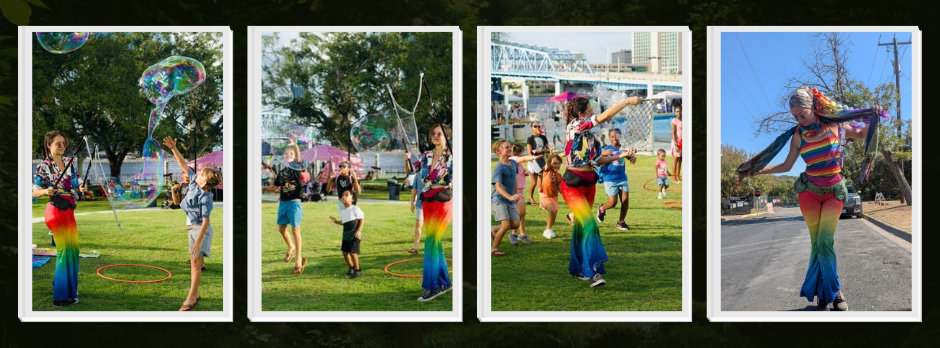
A passion for creating educational spaces
The idea is to spread smiles, but to also educate, inspire, and teach play culture to our future scientists
Here are some fun facts about bubbles!!
You eat Bubbles for Breakfats
The holes in bread and pancakes are fossilized bubbles.
Yeast or baking powder makes gas, and those gas bubbles get trapped as the dough cooks—so every slice of bread is a map of where bubbles once lived
Soap Bubbles Are Nature’s Favorite Shape
A free-floating soap bubble will always become a sphere. Why? Because a sphere uses the least surface area to hold a given amount of air—bubbles are basically doing geometry to save energy.
Bubbles are lazy– They became spheres to do the least work possible
A soap bubble is a rainbow made out of math and light
The colors you see on a soap bubble aren’t paint—they’re light waves interfering with each other as they bounce off the thin bubble film. The bubble is so thin it’s measured in nanometers (billionths of a meter).
Bubbles Help Firefighters Fight Fires
Firefighting foam is made of millions of tiny bubbles. Those bubbles form a blanket that blocks oxygen from reaching the fire, helping put it out faster. Foam in your sink, on the beach, or in your latte is just a whole bunch of bubbles packed together. The more bubbles, the thicker the foam—and the more air is trapped inside- Foam is what happens when bubbles throw a party
Some bubbles are fun—others can be dangerous inside our bodies
Doctors worry about air bubbles in blood vessels because they can block blood flow. That’s why scuba divers have to come up slowly—to avoid forming bubbles in their blood (the bends). On the flip side, Doctors are now using bubbles and magnets to apply intense medicine to cancer areas instead of using traditional Chemo which attacks the whole body.
Your coffee is secretly a bubble experiment
When you pour coffee, the foam (crema) is made of tiny bubbles. Scientists can actually estimate the age and freshness of coffee by how long those bubbles last and how they pop
An array of resources
Would you like me to gather take home activities, coloring pages, or do a story time about bubbles!
I would be honored!
- Bubble science activities
- take home goodie bag
- Create bubble wands with the class!
Would you like to teach the magic yourself?
- I would be happy to forward you material
- Teach a 30 minute how to make solution.
- Spread the magic!
The most magical part was watching the children realize that they too can be just as magical and Miss Bubble Faye’s skills
Annie Steiner
CEO, Greenprint
Join our Village!
Join our newsletter for resources on bubbles and events , but also other programs/ entertainers and event planners in North Florida and what they have to offer!!
 Miss Bubble Faye